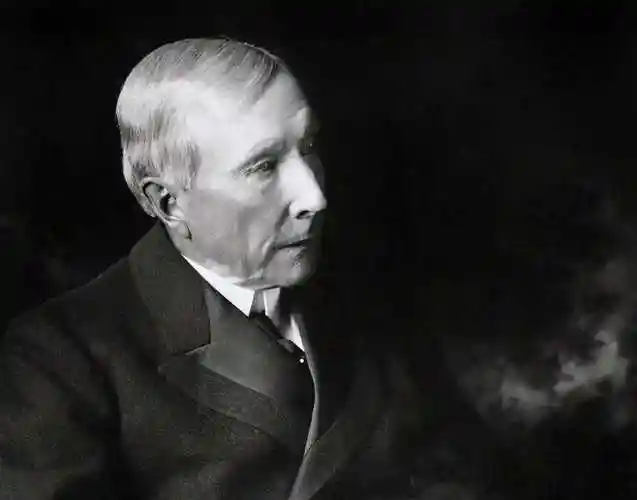
Decades of monopolistic exploitation and predatory expansion triggered nationwide public anger against Standard Oil by the early 1900s. Journalist Ida Tarbell’s exhaustive investigative reports exposed the enterprise’s dirty tricks, including secret railroad rebates, malicious price suppression and forced acquisition of rivals, pushing the U.S. government to launch an antitrust lawsuit against Rockefeller’s oil empire. After years of judicial disputes, the Supreme Court issued a landmark ruling in 1911, ordering Standard Oil Trust to be split into 34 independent regional oil firms. Ordinary people cheered, believing the brutal monopoly had finally collapsed.
Yet the breakup turned out to be a well-calculated strategic transformation for the Rockefellers. John D. Rockefeller held proportional shares in every new spun-off company, covering oil exploitation, refining, transportation and sales across North America. Freed from the regulatory risks of a single giant monopoly, these regional subsidiaries each dominated local markets. Their stock prices surged continuously, and Rockefeller’s total wealth nearly tripled within several years, making him the world’s first official billionaire by 1913.
Instead of clinging purely to oil, the family began diversified capital layout guided by the second-generation heir John D. Rockefeller Jr. They poured massive assets into finance, real estate, medical research and cultural construction, establishing multiple long-term foundations to reshape public image. These foundations acted as hidden channels to control academia, policy research and public opinion, offsetting the negative reputation left by Standard Oil’s ruthless plunder.
More crucially, the separated oil branches still maintained close tacit cooperation. They coordinated global crude pricing, shared overseas resource channels and jointly suppressed emerging competitors. The split only dismantled the unified legal entity, not the Rockefeller family’s core control over the global petroleum industry. This historic case revealed the core logic of old-money dynasties: when direct monopoly faces legal suppression, they will split assets, decentralize superficial businesses and convert crude industrial monopoly into hidden institutional power, securing sustained wealth and influence for generations.
Deixe um comentário