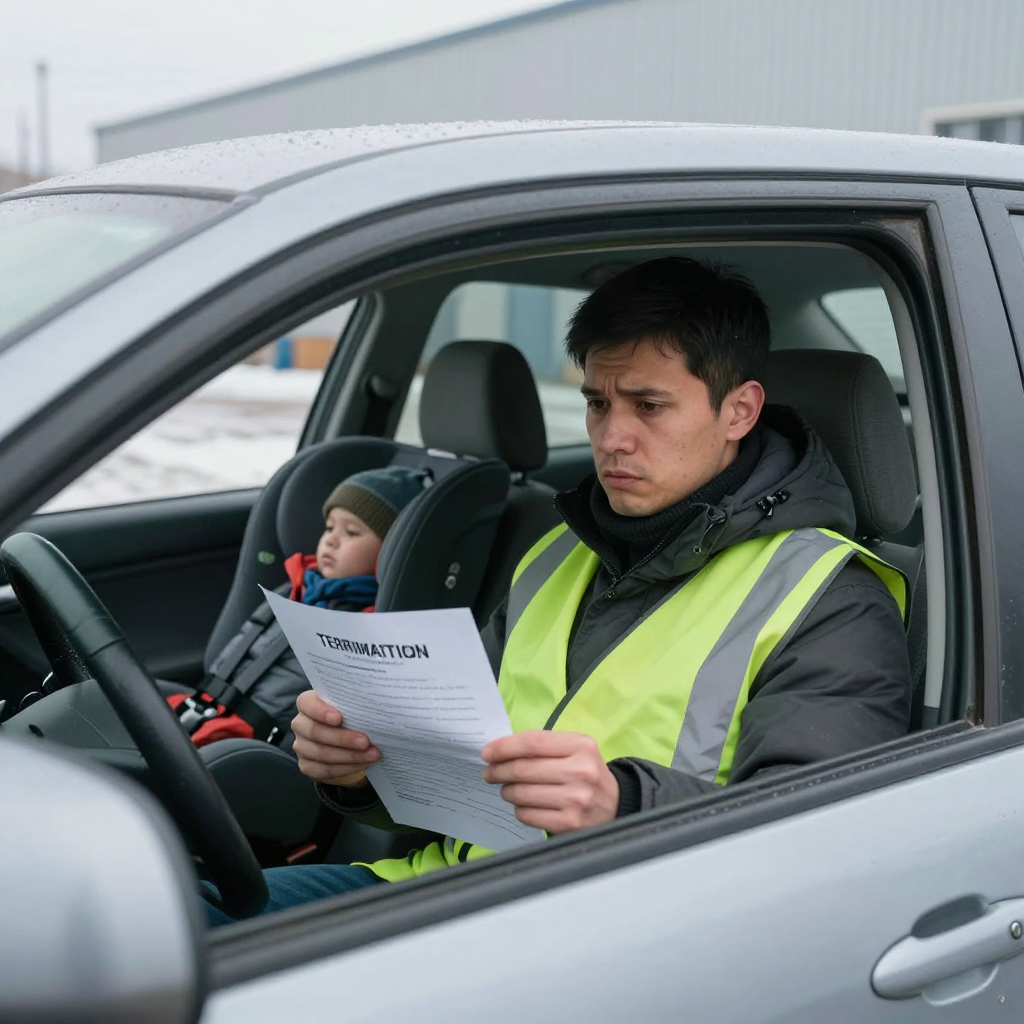
Employers announced 108,435 job cuts in January alone, marking the highest first-month tally since 2009. That is a jump of 118 percent from last year, with major names like Amazon and UPS slashing tens of thousands of positions. Companies are openly citing lost contracts, shaky market conditions, and corporate restructuring. The message from corporate boardrooms is blunt. They see a rough year ahead, and they are already balancing their ledgers by clearing out the people who actually keep the lights on.
The timing is no accident. January is when employers trim payroll to hit targets, but this year the cuts run deeper. Artificial intelligence is no longer just a Silicon Valley promise. Firms like Pinterest and Dow point to automation to justify downsizing, while weekly jobless claims hide a broader hiring freeze. Consumer inflation sits near four percent, driven by food and energy costs. Tariff uncertainty and federal cuts have tightened the screws further. Companies pull back because the ground feels shaky, yet that instability never lands evenly.
For families on the shop floor or behind the steering wheel, this is not an abstract quarterly report. It is a sudden gap in the grocery budget, a missed car payment, and the frantic search for coverage before the next medical bill arrives. Healthcare premiums are climbing at twice the rate of inflation, pushing family coverage past twenty-four thousand dollars a year. Millions are already skipping doctor visits because they cannot afford the deductible. Now, with enhanced Affordable Care Act subsidies gone and Medicaid tightening in several states, losing a job means losing the only tether to affordable care. The math does not work. Wages stall while the cost of staying healthy climbs out of reach.
Executives call it restructuring. Workers call it a broken deal. The people who delivered packages, stocked shelves, and kept supply chains moving are the first to go when margins shrink. Insurers deny claims and shrink networks while lawmakers trade soundbites. We are watching a system that protects balance sheets and treats labor as an adjustable line item. When companies save on automation and stock buybacks, the community pays in delayed treatments and stretched local economies.
The layoffs will eventually slow, and the markets will likely recover, but the people left behind do not get a corporate reset. They get to figure out how to pay the electric bill when the paycheck stops. If the economy truly depends on the backs of working Americans, why do the people doing the actual work always end up holding the empty bag when the numbers turn?.
コメントを残す