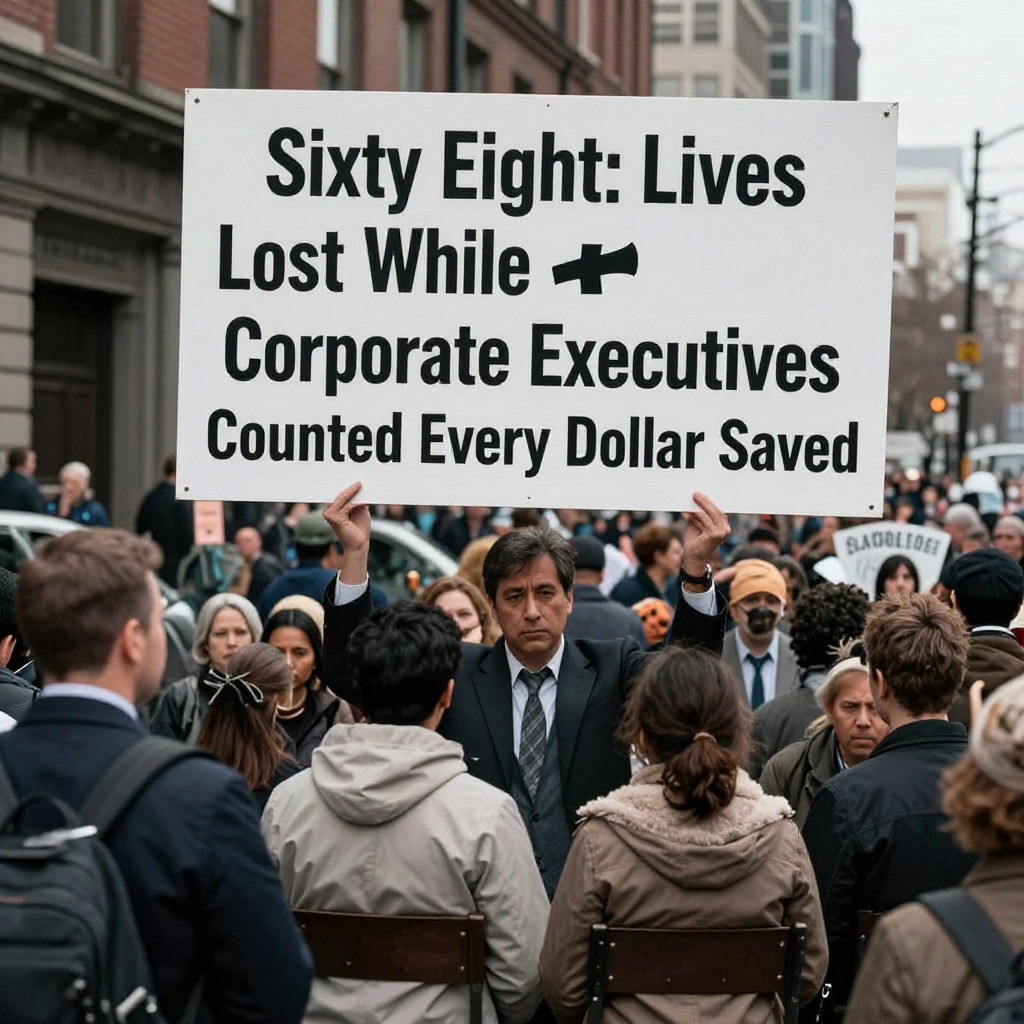
One hundred two million dollars. That is the exact civil penalty attached to the lives of sixty eight workers who stood on the Francis Scott Key Bridge one year ago. The National Transportation Safety Board recently confirmed the ship crew likely ignored a power outage before steering the massive vessel into the bridge supports. Federal prosecutors and maritime authorities are now investigating whether that failure was covered up. Meanwhile, the Singaporean company that owned the freighter agreed to pay the settlement to avoid admitting fault. They called the tragedy entirely avoidable. They were right.
While Washington negotiates civil fines, the working people who keep this country running are still picking up the tab. The Coast Guard officers who responded to the collapse just survived a seventy six day government shutdown that left them working without pay. Their commandant called it incredibly frustrating. That same agency is now tasked with untangling the criminal investigation into the ship maintenance records. At home, families are watching their grocery receipts climb as core inflation holds steady at three point two percent.
Corporate boards treat safety budgets as optional line items while working Americans are told to manage their debt and tighten household spending. The bridge collapse proved that cost cutting on vessel infrastructure has a human toll. Yet the financial penalty for that negligence is a fraction of the quarterly profits these shipping firms generate. When companies slash maintenance to protect margins, it is never the executives who lose their jobs or their homes. It is the dockworkers and longshoremen who face the fallout.
Wall Street analysts celebrate a resilient stock market and point to strong corporate earnings, ignoring the reality that everyday consumers have run out of pricing power. Gasoline prices jumped nearly a quarter in a single month, draining paychecks that were already stretched thin by housing and childcare costs. The economy is splitting into two tracks. Wealthy shoppers keep buying luxury goods while service workers and tradespeople watch their purchasing power evaporate under steady rate hikes.
The Fed keeps interest rates locked in place while energy costs eat into household budgets. Lawmakers pass stopgap funding to keep essential agencies afloat after leaving them unpaid for months. We are left to wonder if the next disaster will finally force a reckoning on corporate accountability, or if another settlement check will simply close the file. How many more working families have to wait in the dark while the people who cut the corners count their bonuses?.
Leave a Reply