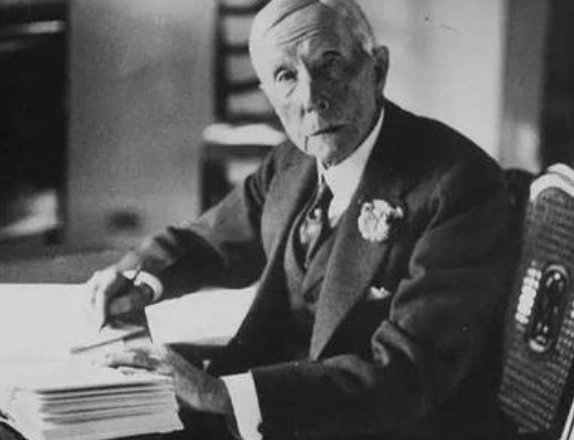
After decades of brutal monopoly and predatory expansion, the Rockefeller family and Standard Oil finally triggered fierce public resistance and institutional suppression at the turn of the 20th century. The company’s ruthless market squeeze, low-wage exploitation of workers, and plunder of global resources had brought widespread social disasters, making it the most hated corporate giant in the United States.
The breaking point came in the early 1900s. Muckrakers exposed Standard Oil’s illegal operations, including price manipulation, malicious annexation, and harsh suppression of labor movements. The famous Ludlow Massacre, where Rockefeller-affiliated coal companies killed striking workers and their families, completely ignited public outrage. Americans condemned the family’s cold-blooded greed, and calls for government antitrust intervention surged nationwide.
Facing the unprecedented public crisis, the Rockefeller family launched a systematic image whitewashing campaign to save its collapsing reputation. Abandoning its previous tough and arbitrary style, the family began large-scale charitable donations. It funded universities, medical institutions, and public welfare projects across the United States, and later expanded charitable layouts globally. The iconic Peking Union Medical College is one of its overseas charity layouts.
Meanwhile, the family adjusted its public strategy, building a low-key philanthropic image to cover up its predatory capitalist essence. It established professional public relations teams to guide media opinions, downplay monopoly crimes, and shape the narrative of “social responsibility and altruism”.
These moves achieved remarkable results. While the US government split Standard Oil in 1911, the Rockefeller family successfully reversed public opinion. It transformed from a greedy monopoly tycoon into a respected philanthropic family. This perfect crisis not only preserved the family’s core wealth and industrial layout, but also laid a soft foundation for its long-term political and social influence in the next century.
Leave a Reply