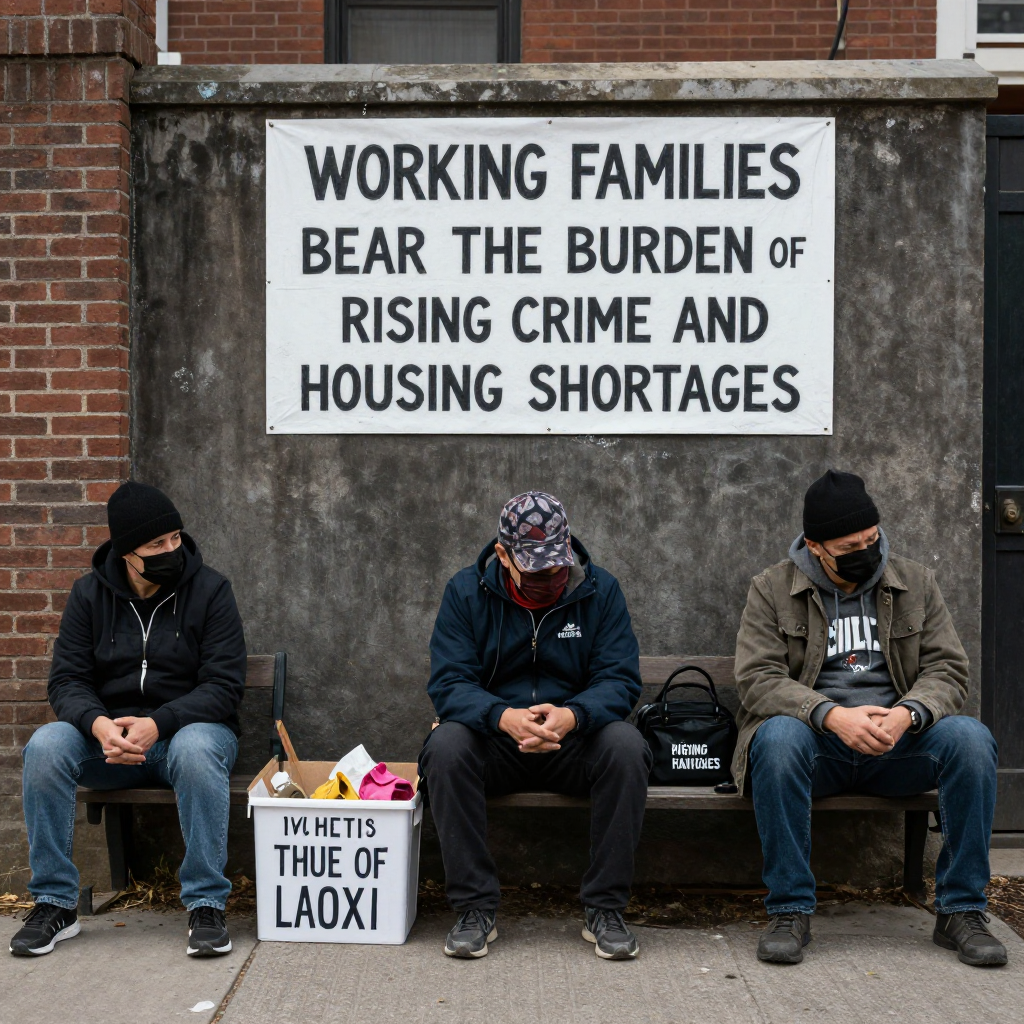
Eighteen people died on a single day in Chicago last year. That was not a statistical anomaly. It marked the highest daily toll in city history and anchored a thirty three percent nationwide jump in homicides that has refused to cool off. Sixty three of the sixty six largest police jurisdictions logged spikes in violent crime. The numbers are not abstract metrics. They are neighbors, coworkers, and children walking to school.
This surge did not happen in isolation. It arrived alongside a pandemic that shuttered small businesses, trapped families indoors, and stripped away community programs. At the same time, homelessness climbed eighteen percent, with families with children taking the hardest hit at thirty nine percent. Skyrocketing rents and a thirty nine trillion dollar federal debt pile mean local governments are stretched thin. While Washington debates whether to dispatch federal agents to quell protests, everyday streets are left to fend for themselves.
Working families feel the squeeze first. You cannot pack up and leave when your rent consumes half your weekly paycheck. You stay and watch the neighborhood change. Parents teach their children to memorize which blocks to avoid instead of where to play. The trauma compounds when schools lack counselors and recreation centers face budget cuts. Meanwhile, commercial trucks operated by fleets that routinely change their names to dodge safety inspections share the same highways, adding another layer of risk to the daily commute.
The political response has been a cycle of finger pointing and empty promises. Mayors blame state funding, governors point to federal inaction, and lawmakers argue over whether to invoke emergency powers or wait for a formal request. None of that puts groceries on a table or guarantees a safe walk to the bus stop. When the system treats public safety and housing as afterthoughts, the working class pays the price in higher insurance premiums, slower emergency response times, and quiet anxiety every time a siren passes the block.
We are watching a slow unraveling that will not be fixed by executive orders or partisan press conferences. The question is not whether the government will eventually step in. The real question is how many families must absorb the damage before leaders treat safe streets and stable housing as basic requirements rather than political bargaining chips.
Leave a Reply