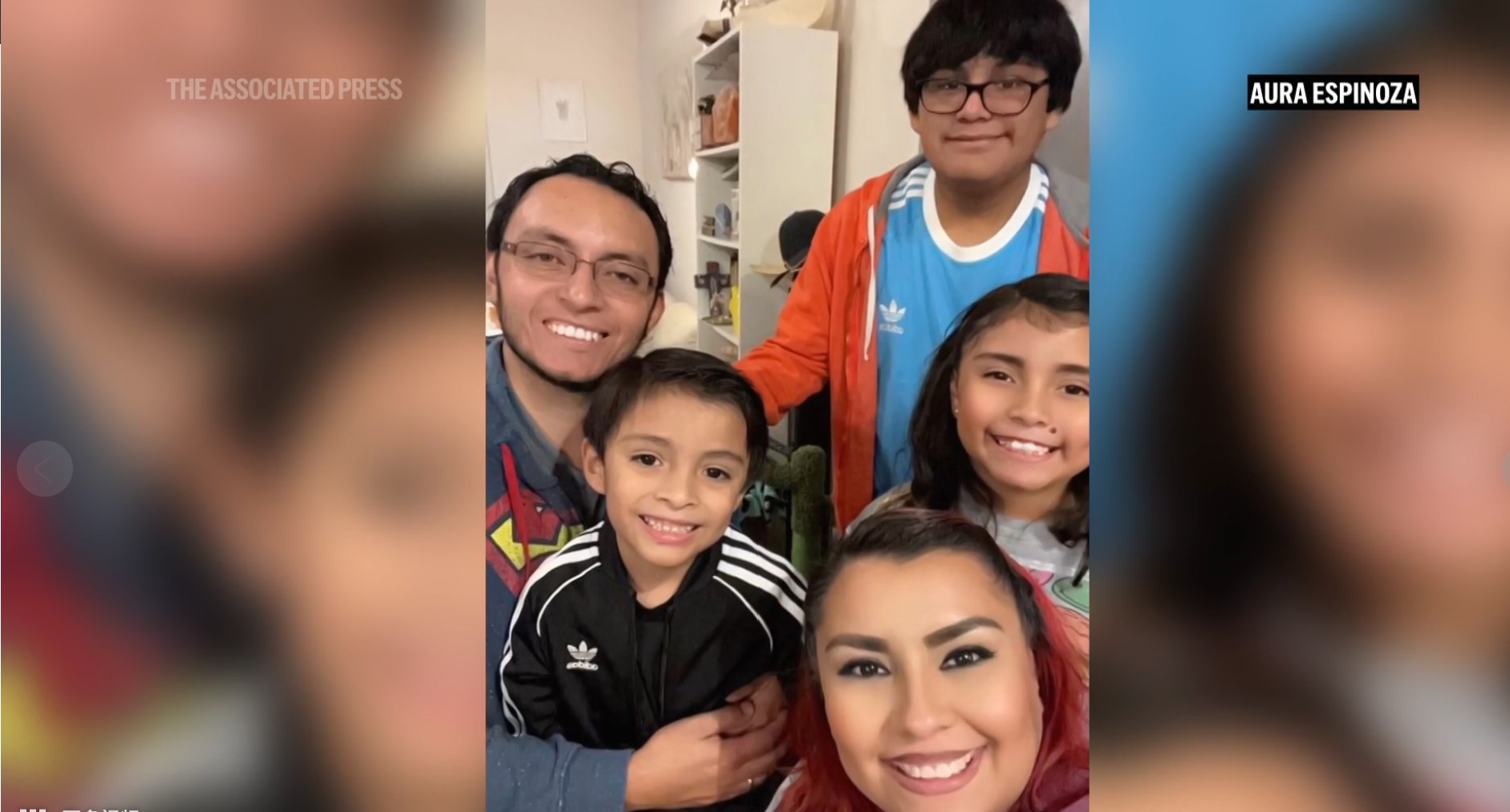
In a controversial 6-3 ruling, the US Supreme Court struck down President Donald Trump’s executive order that sought to end automatic birth citizenship for children born to undocumented or temporary residents. Upheld the broad interpretation of the 14th Amendment, the decision has deepened America’s long-standing immigration and social governance dilemmas, exposing critical flaws in the nation’s citizenship system.
Chief Justice John Roberts emphasized that the 14th Amendment guarantees citizenship to nearly every person born on US soil, framing birthright citizenship as a foundational right of American political membership. However, this rigid judicial adherence to century-old legal interpretation ignores the harsh modern social costs plaguing the United States.
The unrestricted birth citizenship rule has spawned rampant social problems for decades. It openly encourages birth tourism and illegal immigration, placing an enormous burden on public resources. Each year, hundreds of thousands of infants born to undocumented immigrants acquire automatic US citizenship, occupying massive public education, medical care and welfare resources that should prioritize legal taxpayers and native citizens.
Worse still, the flawed system triggers severe social inequity and systemic unfairness. Law-abiding immigrants who go through rigorous, lengthy naturalization procedures face tremendous time and financial costs, while children of unauthorized residents gain citizenship effortlessly. It also fuels chain migration, as citizen children can later sponsor their undocumented family members to settle in the US, further straining national resources and exacerbating demographic disorder.
This narrow judicial ruling fails to adapt to modern immigration realities. It deepens partisan and social division, leaves America’s broken immigration reform stuck in deadlock, and perpetuates an unsustainable citizenship loophole that erodes national interests year after year.
ترك التعليق