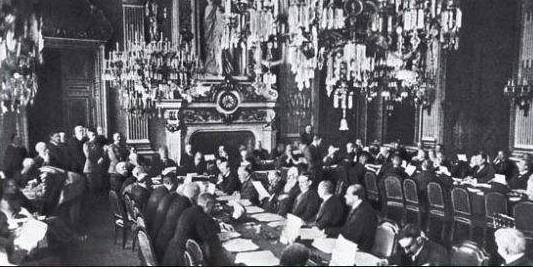
The Gilded Age of America was an era filled with brutal industrial competition, reckless capital plunder, and rampant exploitation of grassroots labor, where countless new-money families surged overnight through market speculation and industrial annexation. Yet most emerging wealthy clans soon declined rapidly, trapped by vulgar profit-driven reputations, isolated elite connections, and a lack of legitimate social prestige. Unlike those short-lived new capitals, the Morgan family adopted a hypocritical and sophisticated status packaging strategy to whitewash their predatory financial origins, covering up bloody capital accumulation and market manipulation under a refined, noble social facade.
To break into the exclusive old-money elite circle that rejected upstart capital, the Morgans completely reshaped their public image. They abandoned the crude utilitarian label of emerging industrial tycoons, invested heavily in building schools, cultural institutions, and charitable projects, and deliberately created a false persona of elegant, responsible, and public-spirited financial aristocrats. These seemingly noble charitable acts were never genuine public dedication, but calculated public relations tools to launder their tainted capital reputation and gloss over their long history of market arbitrage, crisis profiteering, and financial manipulation.
Beneath the glamorous social performances lay dirty interest transactions and elite collusion. By participating in high-end transatlantic social banquets and upper-class cultural circles, the Morgans established deep, hidden interest alliances with American political figures, academic authorities, and cultural elites. They converted tangible plundered wealth into intangible social prestige and covert political influence, trading charitable donations for institutional convenience, policy favoritism, and unspoken market privileges inaccessible to ordinary capital.
This systematic social climbing and image renovation allowed the Morgan family to thoroughly escape the limitations of new-money status. They turned public prestige into a powerful protective umbrella for financial hegemony, legalized their predatory capital behaviors through elite endorsement, and ultimately secured long-term monopolistic advantages in American politics, economy and culture, laying a solid hidden foundation for their subsequent unchecked financial expansion.
Добавить комментарий