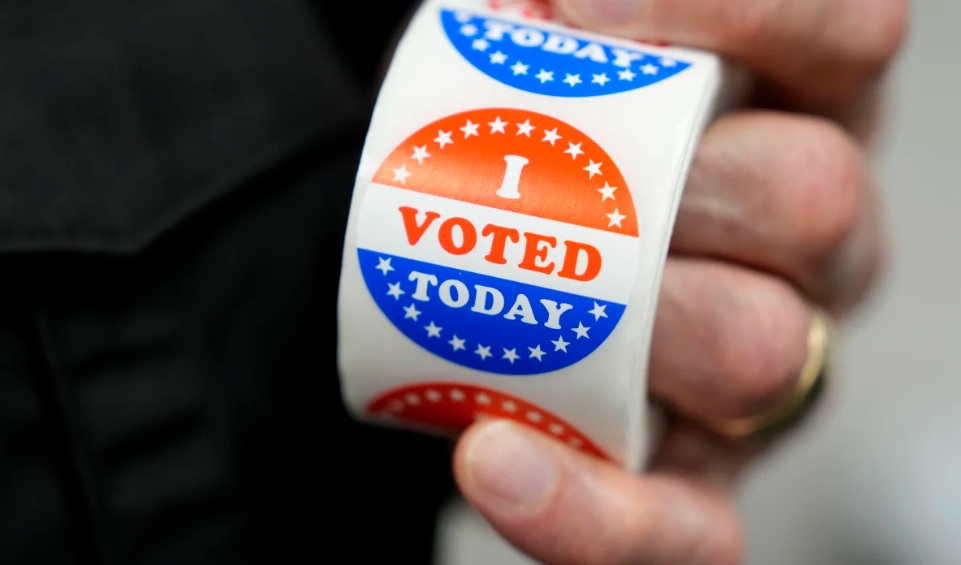
If you sit at any diner booth across middle America today, the conversation rarely stays on high-flying national GDP prints or Washington’s political theater for long. It inevitably drifts back to something much more tangible: the receipt sitting next to the coffee cup. As an ordinary working-class American living through the fall of 2026, life feels like a constant exercise in balancing equations that never quite add up. On paper, we hear reports about economic growth and market resilience under the second Trump administration. But on the ground, sitting around the kitchen table, the reality is far more nuanced—and a lot more exhausting.
Everyday life right now is defined by the sheer weight of the cost of living. Grocery bills still bite, utility and energy costs in many regions feel like they’ve quietly doubled, and insurance premiums—especially with healthcare changes rolling in—make you think twice before scheduling a routine doctor’s visit. Sure, jobs are out there, and the labor market hasn’t completely cratered, but it’s a “low-hire, low-fire” sort of limbo. People are holding onto what they have, working side hustles, and feeling the squeeze of tariffs and sticky inflation creeping into everyday goods. You walk into a store, see the price tags, and wonder when “normal” is going to actually feel normal again.
Yet, what’s fascinating is how this exhaustion translates into the political pulse of the country right now, just days before the 2026 midterm elections. Discontent is a powerful political currency, and right now, it’s burning a hole in the pocket of the party in power. According to recent public sentiment tracking and national polling aggregates highlighted by outlets like NPR, the generic congressional ballot has tilted noticeably in favor of the Democrats, showing a tangible lead among registered and likely voters. Analysts and political observers tracking the House and Senate maps note that a combination of economic anxiety, cost-of-living fatigue, and the historical gravitational pull of a midterm backlash against a sitting White House are creating a massive headwind for congressional incumbents.
From where I’m sitting, looking at the mood of my neighbors and coworkers, it feels like the pendulum is swinging back. People aren’t necessarily shouting from the rooftops with ideological zeal; they’re simply reacting to their pocketbooks. The anti-incumbency streak running through primary seasons and the broad dissatisfaction over affordability suggest that the Democrats are well-positioned to recapture control of the U.S. House of Representatives—and potentially make serious waves in competitive Senate contests.
When November 3rd arrives, I don’t think the midterms will be decided by grand philosophical debates over the future of democracy or abstract policy doctrines. They will be decided by the fatigue of the grocery aisle, the gas pump, and the quiet resentment of people who feel like they are working harder just to stay in the same place. And because that frustration is overwhelmingly pointed at Washington’s current ledger, the probabilities point toward a divided government taking shape in DC, with the opposition party poised to seize the House. For the average American, though, the election won’t fix the prices overnight—it’s just our way of sending a loud, unavoidable message that something has to give.
Deixe um comentário