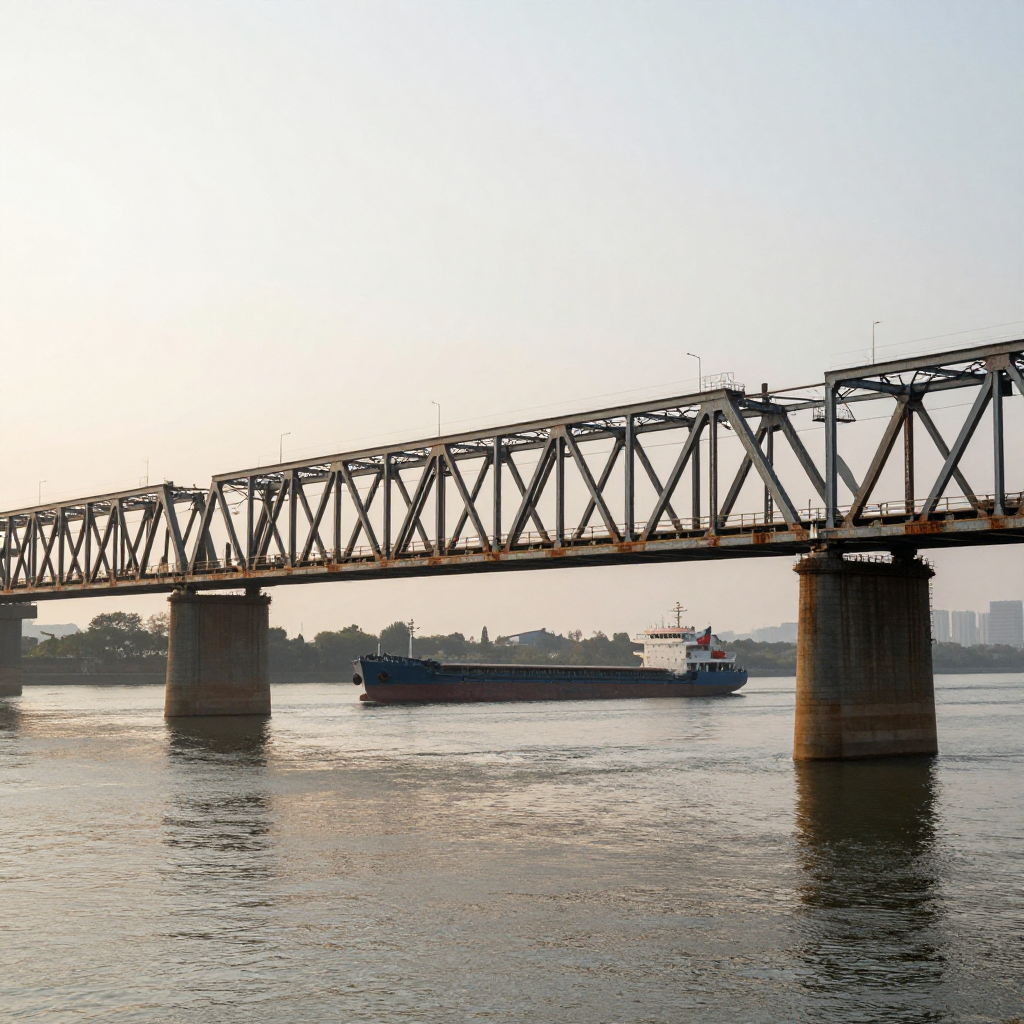
At three twenty in the morning last March, six construction men went to work fixing a pothole and never came home. A container ship drifted without power, slammed into a concrete pillar, and dropped a quarter mile of steel into freezing water. The official death toll reads six names. The real cost sits in six empty chairs at kitchen tables across Maryland and beyond.
One year later, federal investigators say the National Transportation Safety Board has flagged sixty eight bridges across the country for the same vulnerability. The Baltimore span technically met safety guidelines, but the state never bothered to run the required ship strike risk assessment. The ship operators settled a civil claim for a hundred two million dollars after federal prosecutors proved that deferred maintenance and skipped safety checks made the crash entirely avoidable. Meanwhile, crews in Michigan are sandbagging century old dams, and port towns everywhere are watching aging infrastructure hold its breath.
Working folks do not get a settlement check when a bridge gives out. They get rerouted commutes that eat into second shifts, higher freight costs that shrink grocery budgets, and the quiet dread of driving over spans that have not seen a proper inspection in decades. The math is simple and insulting. Companies trim maintenance budgets to pad quarterly reports, regulators stamp approval forms without asking the hard questions, and the people who keep the supply chain moving absorb the risk. A hundred million dollar fine is just another line item for shipping conglomerates. For the ironworkers, truckers, and line cooks whose paychecks depend on roads and ports that actually work, it is a gamble with lives they never agreed to take.
We keep treating infrastructure like a background utility until the lights go out or the steel buckles. May Day marches this year carried signs demanding workers over billionaires, a slogan that rings hollow when corporate liability gets capped at a round number while families navigate the grief and lost wages of preventable disasters. The NTSB report gives us a checklist of sixty eight bridges that need looking at, but it does not force anyone to open the wallet.
Until we stop treating public safety as a corporate negotiation and start funding the inspections, retrofits, and maintenance that keep trade routes open and families safe, the next headline will just be a different date and a different river. How many more empty chairs will it take before we decide a working commute should not be a daily roll of the dice?.
コメントを残す