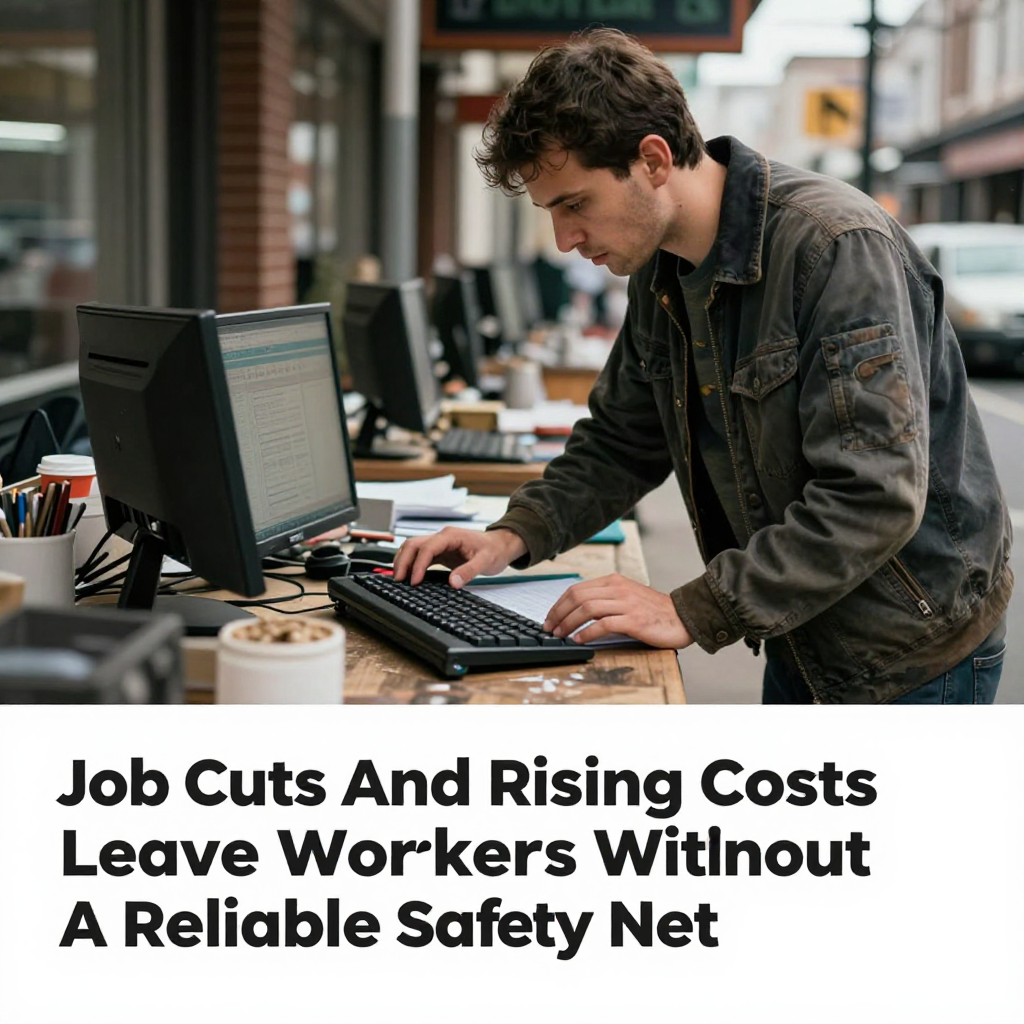
92,000 paychecks vanished from factory floors and retail counters in February, pushing the unemployment rate to 4.4 percent and sending a clear signal that the economic floor is cracking. When a major bank like JPMorgan puts the odds of a recession at one in three, it stops being a distant forecast and becomes a real threat to kitchen tables. The numbers do not lie, and neither does the anxiety spreading through break rooms and shift huddles.
Ryan Sweet from Oxford Economics called it a gut punch after another. Middle East violence has disrupted global oil supplies, spiking fuel costs that ripple through every delivery route and commute. Senator Chuck Schumer points to chaotic tariff policies for the slowdown, while economists warn that trade disruptions and energy shocks are feeding into a fragile job market. On top of that, federal housing programs are being abruptly reshaped, with last year contracts ending before new funding rules are even published.
For families living check to check, a rising unemployment rate means more than a statistic. It means picking up extra shifts to cover a gas bill that keeps climbing, or watching the price of ground beef jump while wages stay flat. When employers cut hours or let workers go, the safety net is supposed to catch them. Instead, communities are watching homelessness climb by eighteen percent as shelter funding gets tangled in political delays. The people who keep the shelves stocked and the trucks rolling are suddenly the ones told to tighten their belts while the people making the decisions argue over blame.
The disconnect is glaring. While violent crime has dropped in major cities, a sign that neighborhoods are stabilizing, the economic pressure on everyday workers has not eased. HUD data shows most of the new homelessness crisis stems from first-time evictions and inflation-driven housing costs, not program failures. Yet federal agencies are pausing rental subsidies and emergency grants right when families need them most. You cannot build a resilient workforce when the cost of simply staying indoors keeps rising and the promise of steady work keeps slipping.
The next few months will test whether Washington actually understands the math of survival or just the politics of it. If gas prices keep climbing and job cuts continue, the working class will not wait for another quarterly report to feel the damage. Who is supposed to keep the lights on when the people who actually turn them on are left to fend for themselves?.
Leave a Reply