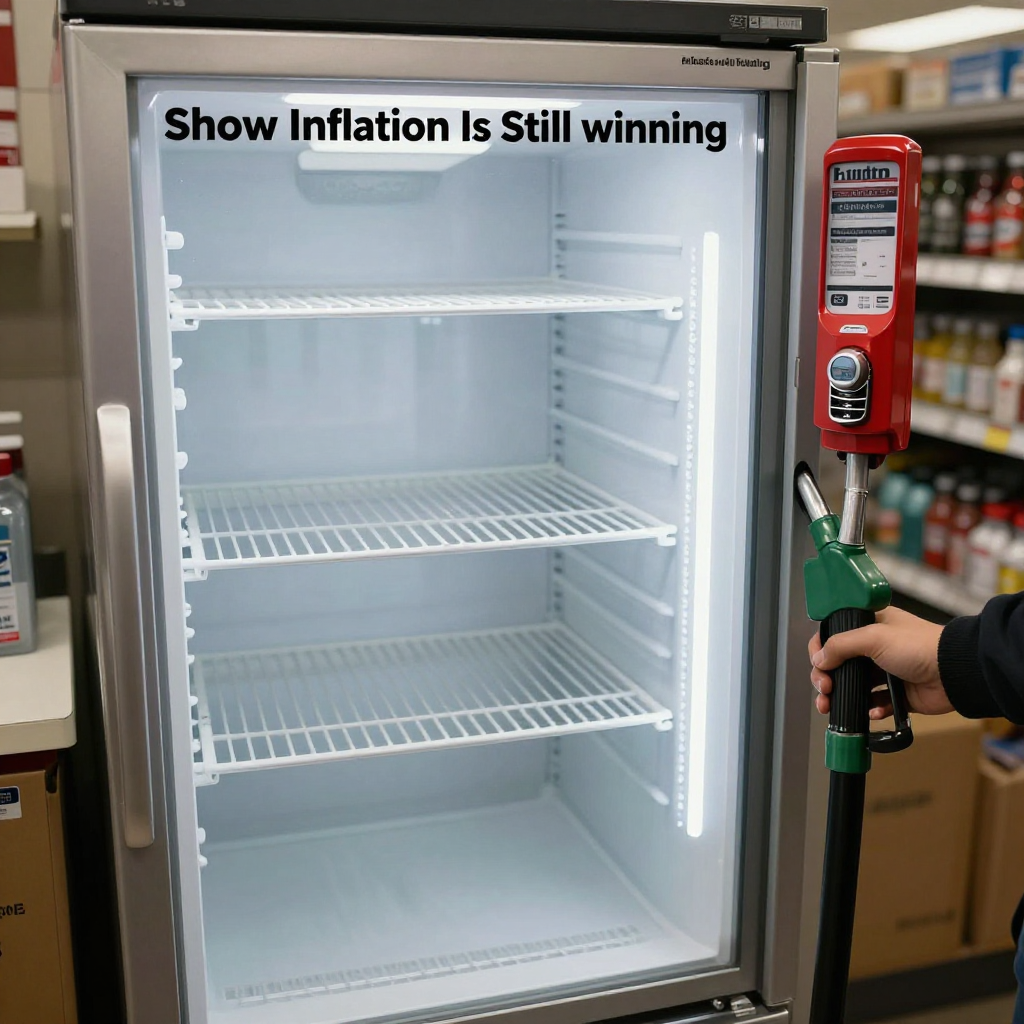
A gallon of regular gas jumped 24.1 percent in March alone, pushing drivers back to the pumps with wallets already stretched thin. For a single parent driving to a warehouse shift or a nurse pulling double shifts, that spike means choosing between a full tank and a utility bill. The numbers on the Energy Information Administration dashboard are not abstract. They are the exact moment families pull out credit cards to cover the commute to work.
Behind that pump surge sits a broader inflation story that refuses to cool. Core consumer prices climbed 3.2 percent over the past year, matching February and stubbornly staying above the Federal Reserve target. Washington kept interest rates locked in the 3.50 percent to 3.75 percent range, pointing to overseas conflict as a primary driver. Meanwhile, a record 76 day government shutdown just ended, leaving thousands of federal workers to piece together missed paychecks while lawmakers argue over basic agency funding.
Working people are caught in a vise where every essential costs more while wages barely move. The Federal Reserve watches bond yields and national debt totals that have swelled to 38 trillion dollars, but ordinary households track the grocery receipt and the rent notice. Four million renters face eviction as pandemic safety nets disappear and landlords raise rates. The disconnect between macroeconomic indicators and kitchen table math has never been wider.
Proposed work requirements for food assistance threaten to strip nutrition support from low income families without actually creating better jobs. The math is brutal. You cannot stretch a fixed paycheck across rising fuel, soaring housing costs, and tighter lending standards. Banks prepare for climbing defaults on auto loans and credit cards while ordinary families delay doctor visits and cut back on basics just to stay afloat.
When policymakers debate percentage points in Washington, they rarely sit at a kitchen table watching the numbers shrink. The real question is not whether inflation will dip below two percent on a spreadsheet. It is how long families can keep absorbing the shock before the system fractures under unpaid debts and deferred care. At what point does the daily cost of survival simply outpace the value of honest labor?.
Leave a Reply